
Why is standard public liability not enough airside in United Kingdom, Airside Liability Insurance UK
Airside liability insurance in the United Kingdom protects contractors and concessionaires against legal liability for work carried out in restricted airport zones, exposure that standard public liability and motor policies typically leave out. Most UK airports won’t grant airside access without evidence of the right cover in place, which is why Violet Insurance built its Airside Liability Insurance Scheme specifically for this gap.
Key Takeaways
- Standard public liability and motor policies almost always exclude work carried out airside, so a general liability certificate won’t get a contractor past the security gate.
- Airside liability limits typically range from £1 million to £250 million, set by the airport authority based on the work and the location.
- Cover can include airside motor liability for vehicles on taxiways and aprons, plus aviation third party liability extensions like AVN52G war write-back.
- Short-term and single-contract cover is available, so businesses aren’t forced into an annual commitment for one-off airside work.
- Violet Insurance arranges airside liability insurance through FCA-regulated, A++ (AM Best) rated capacity, built to match each airport’s specific requirements.
Why is standard public liability not enough airside?
Standard public liability policies almost always exclude legal liability for work carried out at airports. Without proof of specialist airside liability insurance UK cover, most UK airports simply won’t let a contractor through to the restricted zones; arriving at the security gate with only a general liability certificate means instant rejection. That gap between standard cover and what airports actually require can leave a company’s balance sheet exposed to a serious loss, as Marsh’s analysis of airside liability coverage confirms.
Airside public liability cover exists precisely because general policies carry these exclusions by default. DUAL UK points out that once a company starts working at an airport, most policies automatically cut out the associated legal liability. That’s not a minor wording nuance; it’s a hard exclusion that voids protection for incidents on taxiways, aprons, runways and secure terminal zones, the very areas that define “airside” according to specialist underwriters.
What does “airside” actually include?
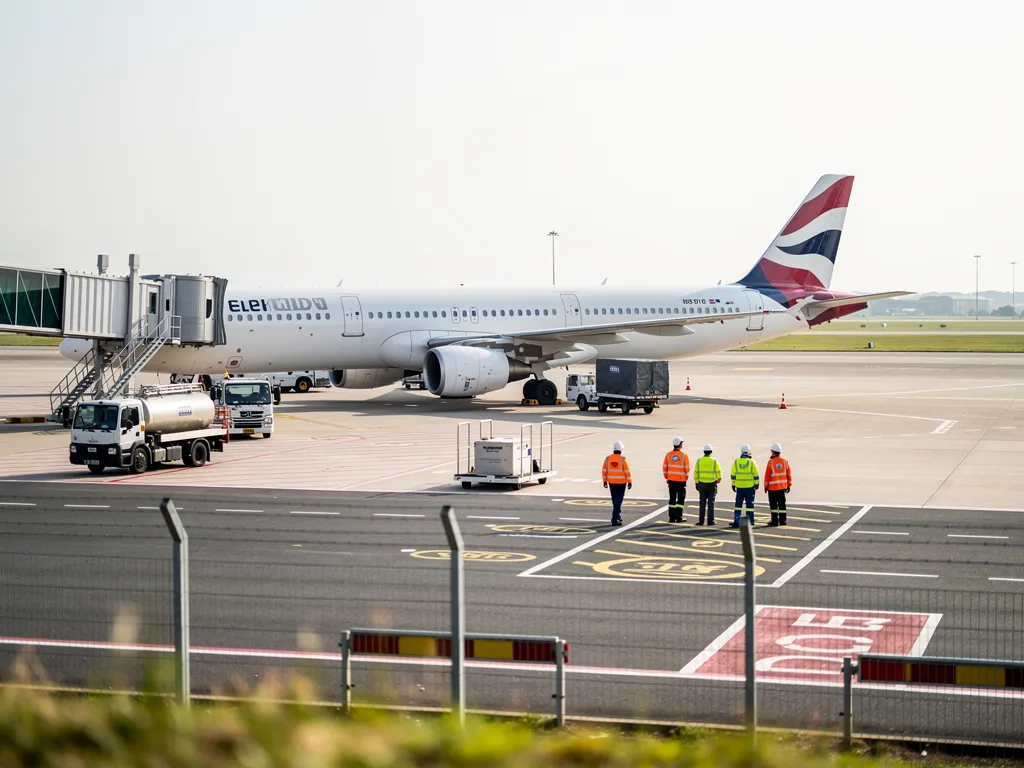
Airside covers every restricted part of an airport: taxiways, aprons, runways and the secure zones beyond the terminal’s security gates. Any contractor working in these areas without airport contractor insurance is carrying uninsured third-party exposure, and the risk is far from theoretical. A vehicle collision with an aircraft, damage to ground lighting systems or an injury to ground crew all trigger liabilities that standard policies simply don’t cover.
How do airside liability limits differ from standard cover?
Airside liability limits pick up where general policies leave off. Specialist schemes offer indemnity limits from £1 million to £250 million, a scale that reflects just how catastrophic a loss can be inside an operational airport. Standard commercial policies simply can’t reach these levels for aviation-exposed work. Contractors also need an airside motor liability extension for vehicles used beyond the security fence, cover that’s missing from conventional motor fleet wordings. Aviation third party liability exposures call for dedicated wording backed by insurers who genuinely understand aviation risk. Violet Insurance arranges airside liability solutions that satisfy airport authority requirements and protect contractors against the specific exclusions buried in everyday business policies.
What does airside liability insurance cover in United Kingdom
What does airside liability insurance cover?
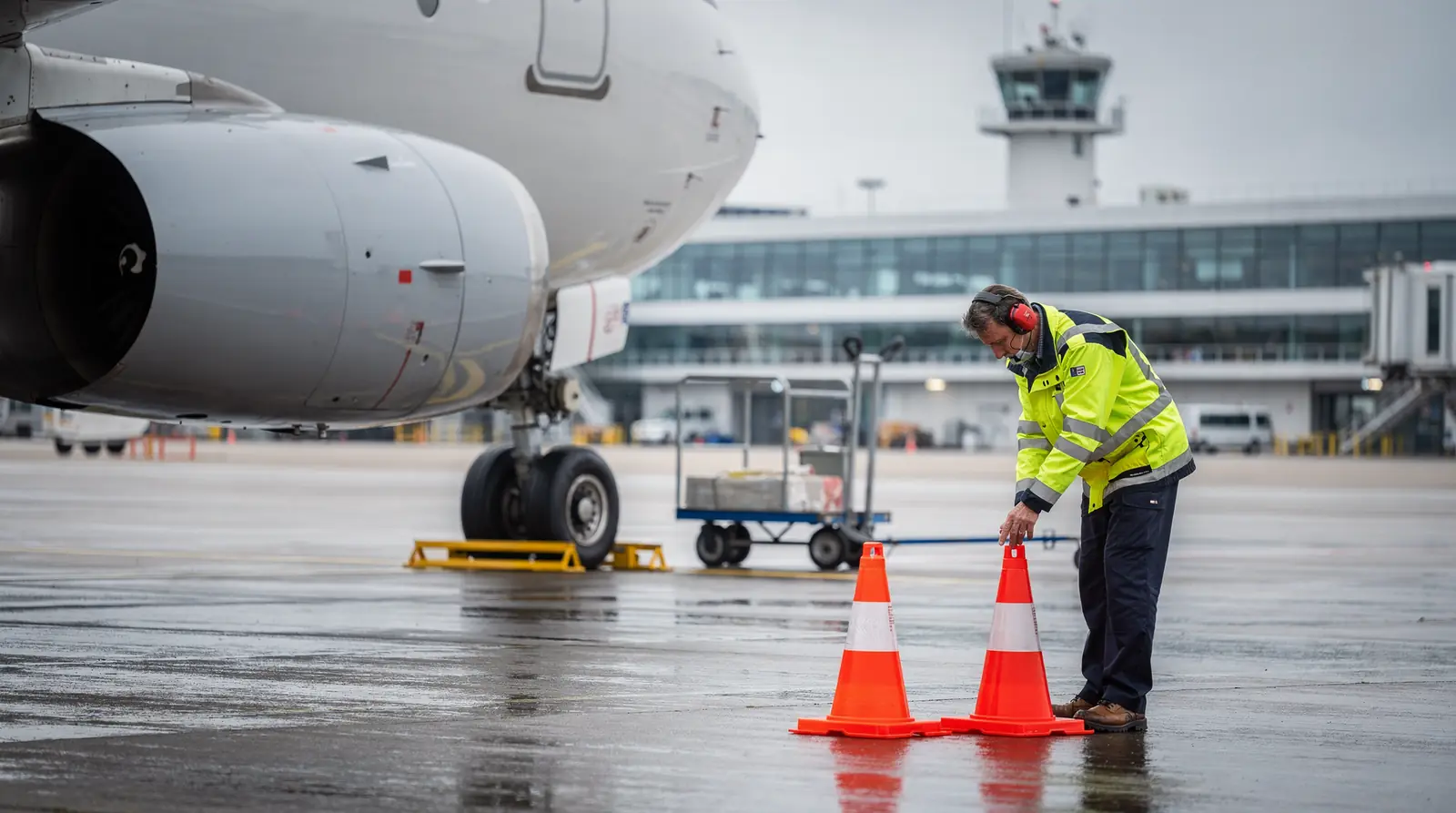
Airside liability insurance UK policies cover third-party injury and property damage arising from work in restricted airport zones. Standard public liability wordings routinely exclude these exposures, which leaves contractors unprotected against claims that happen beyond the security fence.
The core protection is airside public liability cover for bodily injury and property damage to third parties, with indemnity limits ranging from £1 million to £250 million, according to Airside Insurance 4U. That scale reflects just how costly an incident can be when it disrupts airport operations or damages high-value aircraft.
What additional protections can a policy include?
Policies extend beyond basic liability in several important ways. Airside motor liability cover addresses the use of vehicles on aprons, taxiways, and service roads. A personal injury extension and corporate defence costs can also be added, which protects the business against legal expenses that mount quickly during complex investigations.
Aviation third party liability exposures often require specialist endorsements. War write-back cover (AVN52G) is available on request and restores protection that standard aviation exclusions would otherwise remove, which matters for contractors operating at airports with military traffic or heightened security profiles.
Can cover be arranged for short-term projects?
Yes. Airport contractor insurance doesn’t require an annual commitment. Cover can be arranged for short periods or specific contracts, which makes it practical for one-off maintenance projects, seasonal ground handling, or single-terminal fit-out work. This flexibility means businesses aren’t carrying unnecessary premium costs during inactive periods.
Airside liability limits should match both the airport authority’s contractual requirements and the realistic worst-case exposure. A fuel spill near an active taxiway, for example, can generate cleanup costs, third-party property damage, and business interruption claims that escalate quickly. Violet Insurance structures policies that align these limits with each contractor’s specific operational risks, built on specialist knowledge of the aviation sector.
What airside liability limits do UK airports require in United Kingdom
What airside liability limits do UK airports require?
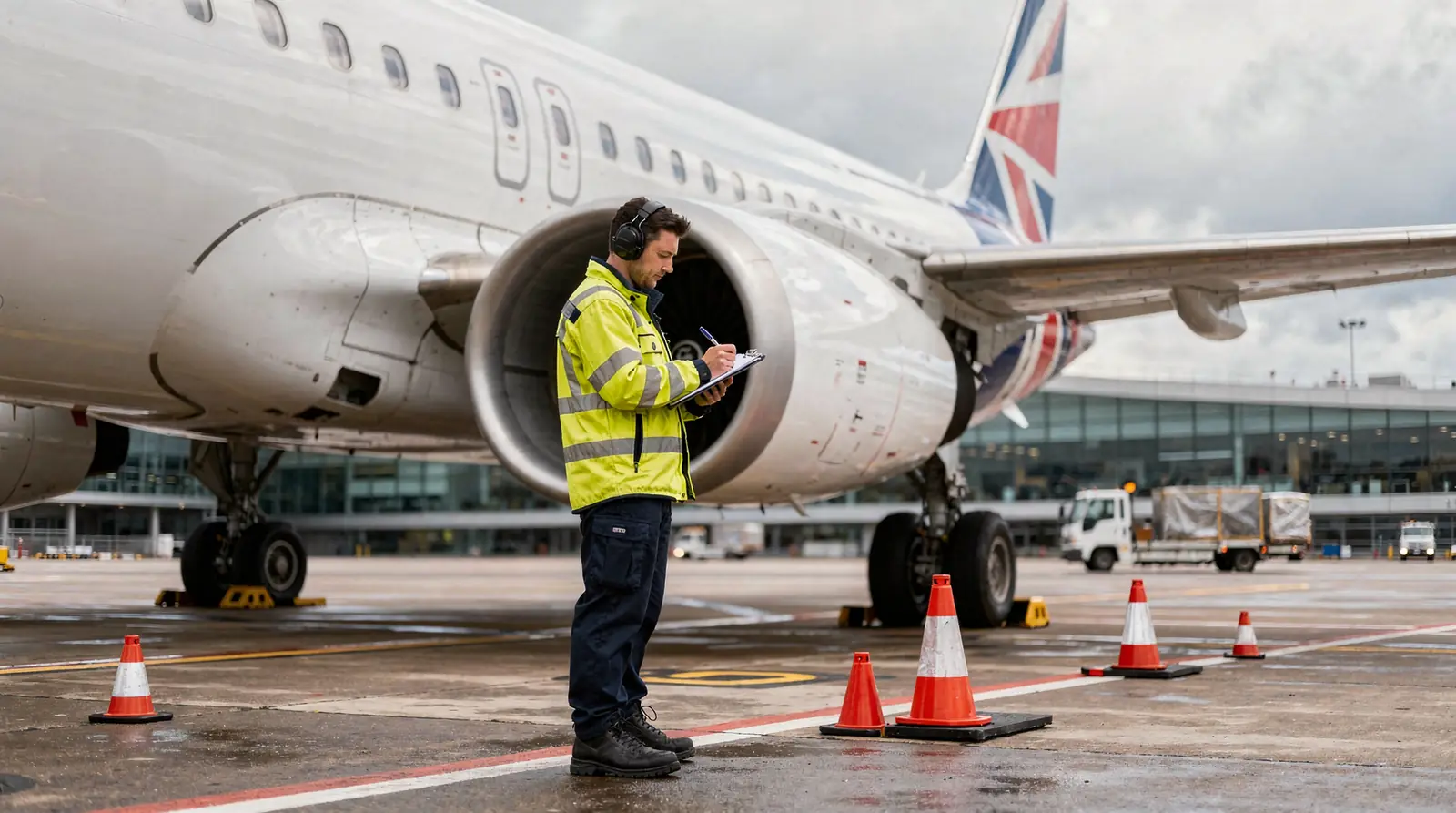
UK airports won’t issue an airside pass until a contractor can show the right minimum indemnity limit is in place. Airside liability limits typically range from £1 million to £250 million, depending on the airport and the nature of the work.
Airport contracts usually specify a minimum indemnity limit as a condition of access, because work past the security fence carries far higher risk than ordinary landside premises. Without the correct limit in place, a contractor can’t get a pass, and the contract opportunity is lost.
What limit will a major UK airport ask for?
Major airports normally ask for higher limits than regional or private airfields do. Airside public liability cover arranged through a specialist scheme offers flexible limits of liability, including the higher levels typically required for work at major airports.
Airport contractor insurance must therefore match the specific airport’s stated requirement: a contractor working on a runway at a London hub faces a different threshold than one servicing a regional apron. Checking the contract wording before quoting is what prevents an underinsured placement.
Does the insurer’s financial strength matter for airside limits?
Yes. UK airports look closely at the insurer behind the policy, not just the limit figure on paper. A delegated authority scheme underwritten by A++ (AM Best) rated insurers gives policyholders confidence and helps risks get placed quickly.
Airside motor liability and aviation third party liability exposures sit within this same framework. Contractors operating vehicles airside need limits that satisfy both the airport operator and the scheme’s underwriting criteria, and Violet Insurance arranges airside liability cover aligned to these airport-specific requirements.
How to choose the right airport contractor insurance?
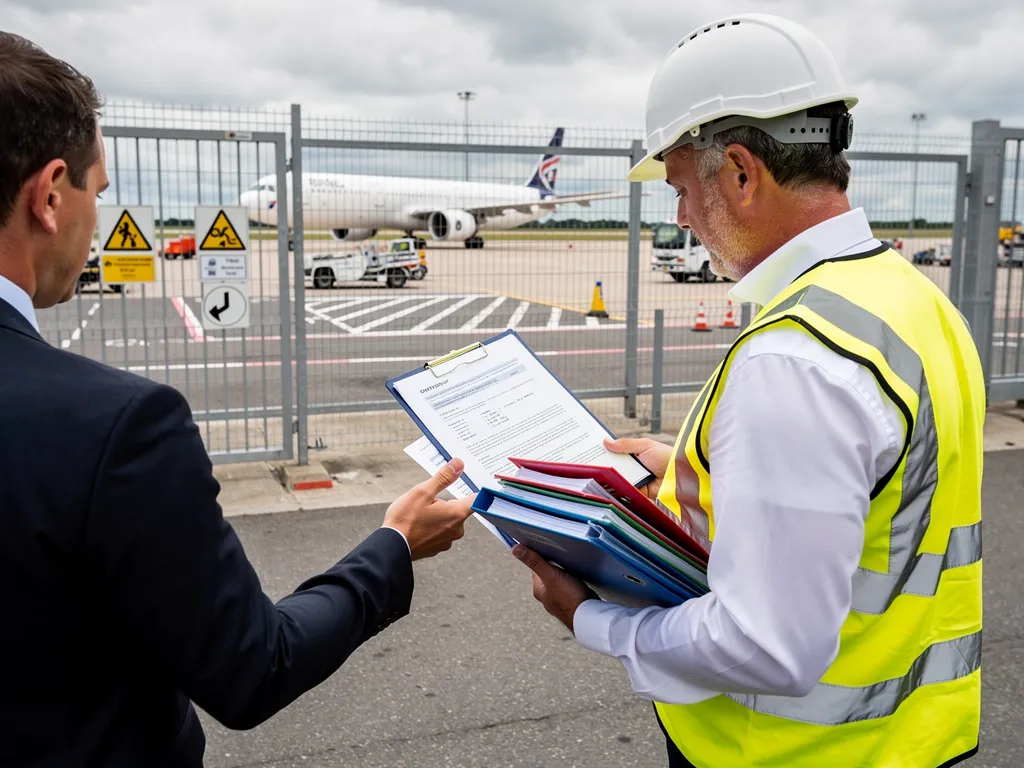
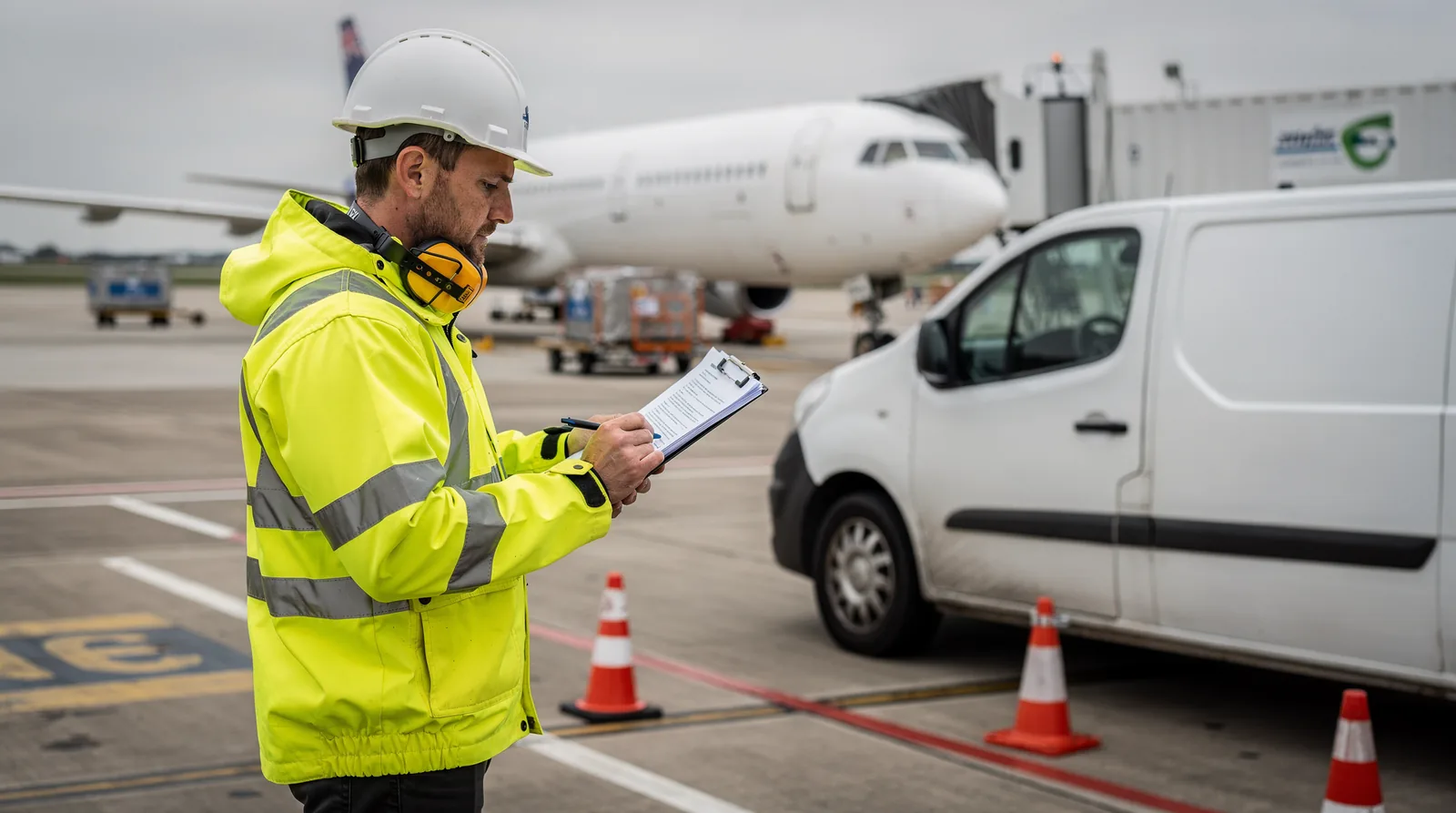
Choosing the right airport contractor insurance starts with a thorough review of existing policy wordings. Standard public liability and motor policies frequently exclude work carried out beyond the security fence, and that gap in coverage can expose a company’s balance sheet to a significant financial loss. Most UK airports will also deny airside access without evidence of the correct cover.
A key decision is whether the policy offers standalone airside public liability cover. Standalone products avoid the added expense of insuring unrelated casualty risks, and Violet Insurance provides tailored solutions that match these specific contractual demands without bundling in unnecessary extras.
What activities does airside liability insurance cover?
Leading underwriters consider a wide range of airside operations, with construction, deliveries, cleaning, and aircraft servicing typically among those approved. Contractors should always confirm their precise scope of work falls within the policy’s accepted class.
How do specialist underwriters add value?
Expertise in aviation risk makes a real difference to the speed and quality of a placement. Access to experienced underwriters means a faster, more flexible service than generalist brokers can usually match. Specialist knowledge, often built through partnership with a well-established aviation insurer, means the policy wording genuinely addresses airside exposures. Violet Insurance draws on deep industry insight to secure terms that satisfy both the contractor and the airport authority.
What does effective aviation third party liability require?
Contractors operating vehicles airside face another layer of risk, and airside motor liability is a distinct requirement beyond basic public liability, with policies needing to respond to incidents on taxiways, aprons, and runways. Similarly, airside liability limits set the maximum payout per incident, with airports dictating the minimum levels. Violet Insurance aligns these airside liability limits directly with the leasing agreements and operational mandates of UK airports, so contractors get airside liability insurance UK that keeps them compliant and protected from day one.
Why choose Violet Insurance for airside liability cover?

Violet Insurance delivers tailored airside liability insurance UK that closes critical gaps in standard public liability policies. Airport contractors and concessionaires often only discover these exclusions after a loss, by which point their balance sheets are already fully exposed.
Airside public liability cover arranged through Violet Insurance addresses this vulnerability directly. The company’s expertise spans multiple specialist domains, including airside liability, which allows airport contractor insurance to be matched precisely to operational risks. Violet Insurance is registered and regulated by the Financial Conduct Authority, a regulatory standing that gives clients managing complex aviation exposures a solid foundation of trust.
What makes Violet Insurance’s approach to airside cover different?
Violet Insurance designs insurance solutions around the specific demands of industries operating in restricted airport zones. Rather than applying generic wording, the company looks at each client’s risk profile and builds protection that satisfies airport authority requirements and safeguards the business, with airside liability limits a core consideration throughout.
The company’s specialist capability also covers related protections. Airside motor liability cover becomes essential when vehicles operate on aprons, taxiways, or runways, and aviation third party liability exposures arising from ground operations need careful structuring too. Violet Insurance addresses each element without bundling in unnecessary features or leaving gaps in the programme.
How does regulation benefit contractors seeking airside insurance?
Regulatory oversight by the Financial Conduct Authority establishes accountability that matters when claims arise. Contractors placing cover through a regulated intermediary gain an external layer of protection that unregulated arrangements simply don’t offer. Violet Insurance combines this regulated status with deep knowledge of aviation risk, so the policy wording functions as intended when a loss occurs.
Conclusion
Securing airside liability insurance UK means finding a policy that matches the airport’s stated indemnity limits, covers the full scope of operations beyond the security fence, and carries the financial strength of a top-rated insurer. Contractors should review their existing wordings for airside exclusions and confirm their activities fall within the accepted class before tendering. These steps are what keep a business compliant with airport authority requirements and protect the balance sheet from the moment access is granted.